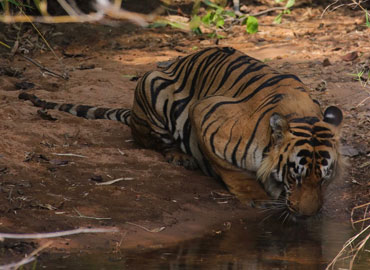
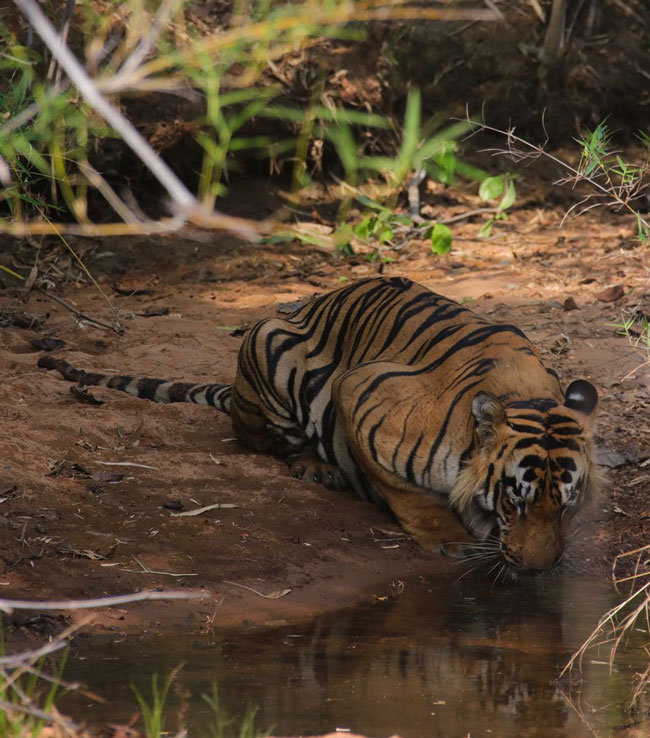
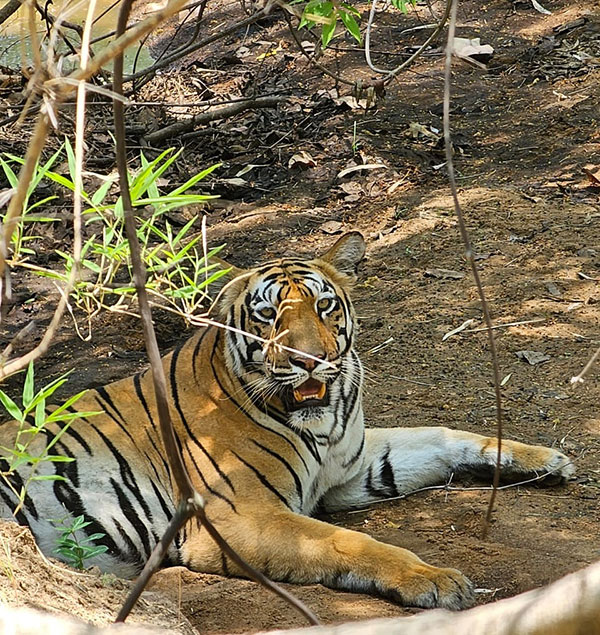
Waiting for hunting

Top Tiger Spotting Strategies in Tadoba for 2026
Tiger Spotting: Our Experiences in Tadoba

Quick answer: Your best chance of spotting a tiger in Tadoba is a morning safari between March and June, entering through the Moharli, Kolara or Navegaon core gates - though the quieter buffer gates can be just as rewarding. The reserve is home to over 90 tigers, one of the healthiest populations in India, and with a knowledgeable local guide most visitors doing three to four safaris see at least one. Core zones close every Tuesday and for the monsoon from 1st July; buffer zones stay open year-round (closed Wednesdays).
Welcome to Tiger Spotting in Tadoba National Park, an adventure with 98 Stripes! Tadoba National Park is known for its diverse wildlife and stunning landscapes, and is one of the top tiger reserves in India. With our team of wildlife enthusiasts and photographers, we have had the privilege of witnessing the majesty of tigers in their natural habitat, season after season. Through our Tiger Spotting diaries, we invite you to join us on a journey through the wilderness of Tadoba. Our team has captured the essence of Tadoba's wildlife through their lenses, bringing you a visual treat that will leave you in awe. In this article, we share our experiences and tales from the wild, along with the practical strategies we have learned on the ground - which zones deliver, when to go, and what signs to watch for.
Tadoba Andhari Tiger Reserve, spread over roughly 1,727 square kilometres of teak and bamboo forest in Chandrapur district, Maharashtra, is one of the most reliable wildlife destinations in India for tiger sightings. The best time to visit Tadoba for tiger sightings is during the months of March to June, the summer season in the region. During this time, the water sources within the reserve dry up and animals gather around the remaining waterholes and lakes, dramatically increasing the chances of spotting tigers and other wildlife.
Another good window is October to February, the winter season. The weather is pleasant, the grasses are shorter after the post-monsoon cut, and visibility along the tracks is excellent. Sighting frequency is somewhat lower than in peak summer, but winter mornings - with mist over the meadows and tigers basking in the early sun - offer some of the most beautiful photography conditions of the year.
Overall, the best safari months in Tadoba for tiger sightings are March to June, with October to February as a rewarding, more comfortable alternative.
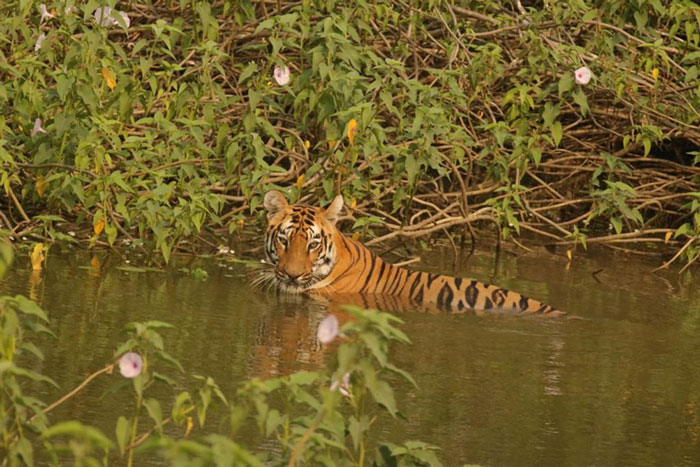
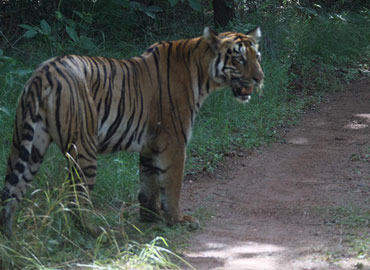
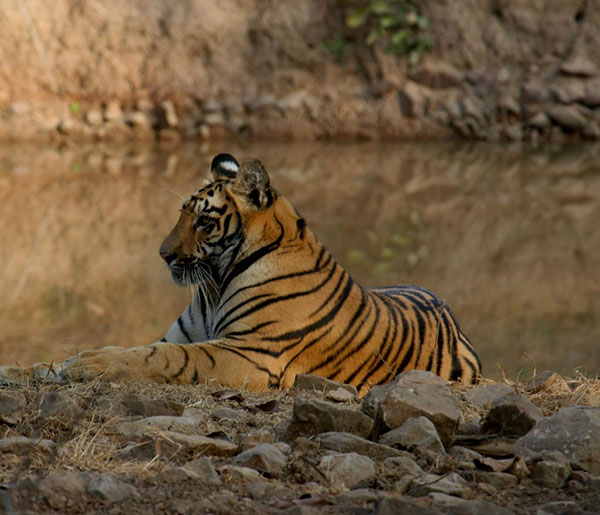
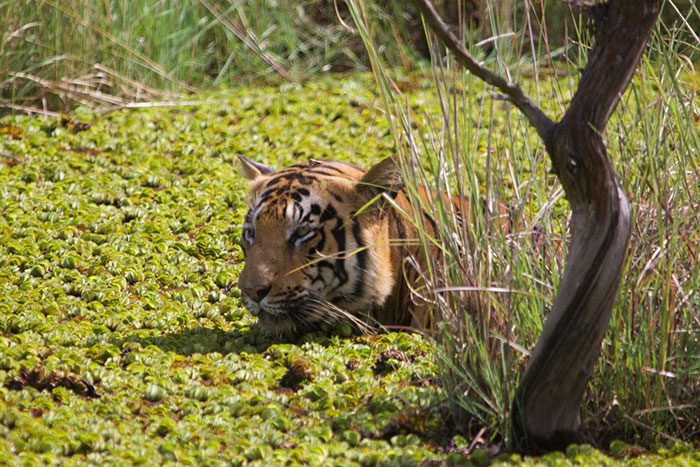
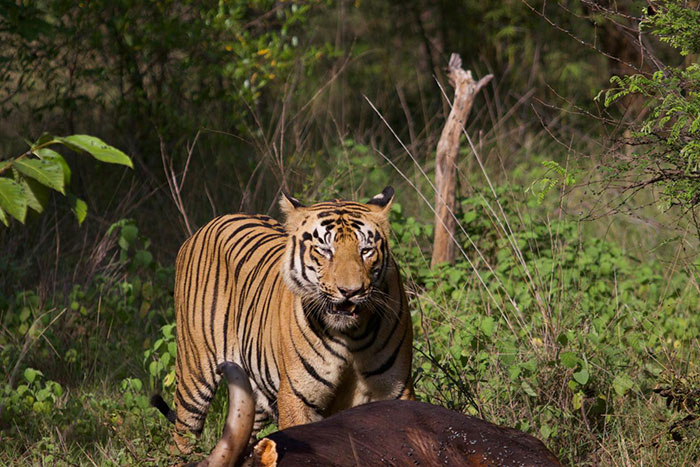
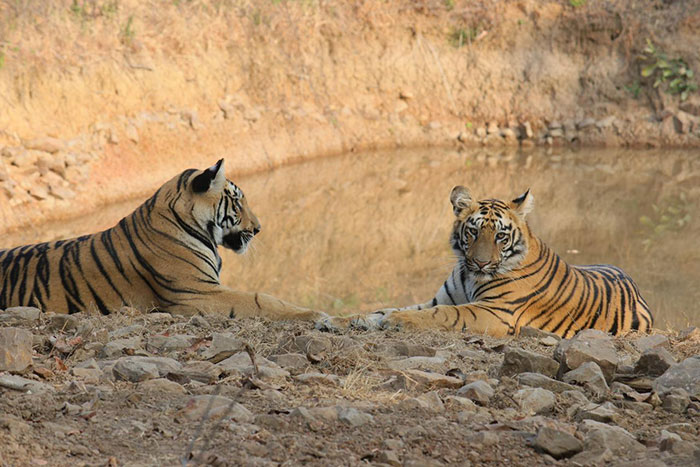
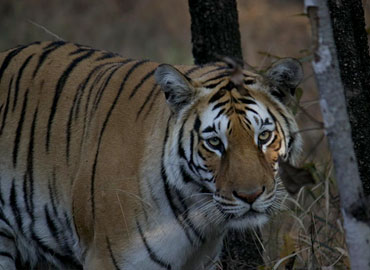
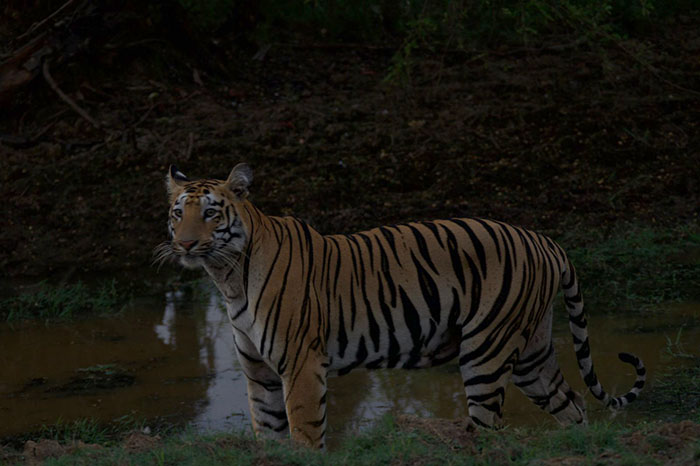
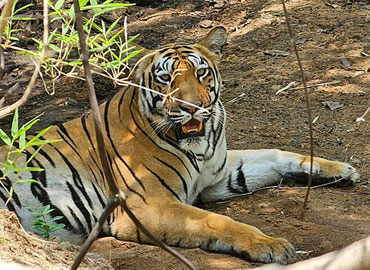
One rainy morning, we thought of venturing into the forest on a jungle safari ride in the Tadoba buffer - the buffer zones stay open right through the monsoon - just to get a different perspective on the wild in this season. I can clearly say this was one of the best experiences the TATR forest has offered me. I was lucky enough to spot a tigress, coolly shrugging the rain off her wet fur and walking pompously, as if challenging the rain to stop her. She was at her majestic best, and the way she plopped into the water puddles was a sight to remember. I had my camera with me, but having forgotten the rain cover, I did not dare take it out at first - the oculus and the cornea created some amazing images, stored comfortably in the cloud of the grey cells. I did eventually manage a few clicks, risking the camera, as the beauty was compelling. So one of my most memorable spells of tiger spotting - long, unhurried minutes with the tigress - passed mostly without the familiar shutter-clicking noise, which was probably a blessing in disguise: I could give the sighting my total attention, undivided by the camera.
But this safari was different in another way too, as I could see, observe and feel so much other flora and fauna around. The trees were so varied, and the chirps, the squeaks, the grunts and buzz of the insects and amphibians were a cacophony to the ears. In fact, after the safari I found myself searching how beetles and grasshoppers make sound, and learnt it is called "stridulating" - rubbing certain body parts or wings together - while some also vocalise, producing different sounds for different purposes.
Driving through, the changing colours of the forest's topography were genuinely awe-striking, and I wondered how one jungle could hold so many colours and so much rhythm within itself. The trees are so well aligned that their plan or strategy could beat any closed-door white or blue-collared Google Meet. There are several layers - and you can observe this when you go next. By layers I mean several rows of plantation, ensuring the foliage covers every level: low shrubs first, then the larger ones, and then the biggest. Now that is not easy, as each of them needs a certain amount of sun for photosynthesis, dew for food and colour, and water - some more, some less - and that is how nature aligns the trees. They create their own greenhouse and ensure the right ingredients reach each layer in the desired quantity. It can get awesomely complicated. To stop myself from getting carried away, I will simply say that the flora and fauna of TATR are worth studying closely when you visit.
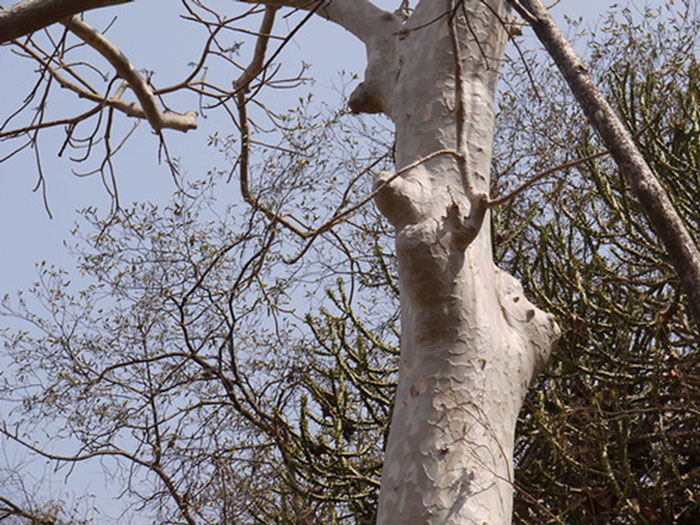
While driving through, my eyes were drawn to a particular type of tree - white naked branches in a dancing pose, a few leaves on top, bark shining, standing in a posture anyone would be endeared by: the unique GHOST TREE. Botanically it is Sterculia urens, but true to its popular name, seen in pitch darkness it could well be a ghost spreading its arms and asking you to embrace it. You must look out for one when in TATR - or ask your guide to show you one. I was so enthralled that I momentarily forgot the very purpose of my safari, which was tiger spotting. It is a mesmerising piece of nature.
For academic interest, I later found out it has many medicinal attributes, and the gum that oozes from its bark - gum karaya - is used in medicine and as a thickening agent in cosmetics.
I must tell you, TATR is a different world, and while the tiger is the apex of this wild, there is plenty more to it. Tadoba has offered me a tiger sighting on roughly 90% of the safaris I have made here, and I see no reason it cannot be the same for you. What you need is the experience of local guides who know which part of the forest to visit at what time for the maximum chance of a tiger sighting. Talk to us, and you will have an enthralling experience.
How to Increase Your Tiger Sightings in 2026
Patience, timing, and route selection are your best allies in spotting tigers at Tadoba. While sightings are never guaranteed, these expert-backed tips can raise your odds significantly on every safari.
1. Choose the Right Zone
The core gates of Moharli, Kolara and Navegaon are the most consistent choices for core-zone tiger sightings, while Khutwanda, Zari and Pangdi offer quieter core drives. Buffer gates like Dewada, Junona, Agarzari and Alizanza can be equally productive with far fewer jeeps - especially when a resident tigress with cubs is active in the area. Ask your lodge which individual tigers have been moving where in the preceding week; territory intelligence beats gate reputation.
2. Time Your Safari Well
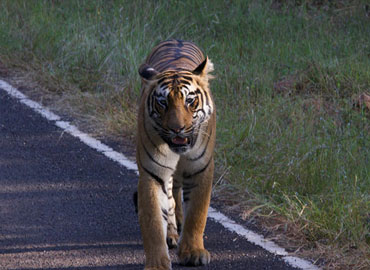
Summer (March to June) is excellent for spotting tigers near water bodies as the forest dries. Morning safaris catch tigers on the move before the heat sets in; evening drives often produce sightings close to waterholes and right beside the track. In winter (October to February), the first hour after gate opening is prime, when tigers walk the roads to warm up.
3. Book Early on the Official Portal
Safari permits are issued only through the official portal, mytadoba.mahaforest.gov.in, and online booking opens 120 days before the safari date. Core-gate permits for summer weekends sell out fast, so book the moment your dates are firm. A limited Tatkal quota opens 3 days before the safari date if you have missed the regular window. Remember: core gates are closed every Tuesday, and buffer gates every Wednesday.
4. Watch for Clues
Listen for the alarm calls of langurs, chital and sambar - a sustained relay of calls usually means a predator is on the move. Fresh pugmarks on the morning track, scratch marks on trees, and scent sprays are tell-tale signs that a tiger is nearby. When your guide cuts the engine and waits at a junction, trust the process: patience at the right spot beats racing between locations.
5. Don't Write Off the Monsoon
The core zones close from 1st July for the monsoon, but the buffer zones remain open year-round, and a rain-washed Tadoba is a spectacle in its own right - emerald foliage, dramatic skies, and far fewer vehicles. As our own monsoon tigress encounter above proves, the sightings do not stop when the rains begin.
Tiger Spotting in Tadoba - Frequently Asked Questions
What is the best time to spot tigers in Tadoba?
The best time for tiger sightings in Tadoba is March to June, when water sources shrink and tigers concentrate around the remaining waterholes and lakes. October to February is a pleasant second-best: sightings are somewhat less frequent, but the weather is comfortable and the shorter grass improves visibility.
Which zone in Tadoba is best for tiger sightings?
The core gates of Moharli, Kolara and Navegaon are the most consistent for tiger sightings, with Khutwanda, Zari and Pangdi offering quieter core drives. Buffer gates such as Dewada, Junona, Agarzari and Alizanza can be just as productive with far fewer vehicles, especially when a resident tigress is active in the area.
How far in advance should I book a Tadoba safari?
Online booking on the official portal, mytadoba.mahaforest.gov.in, opens 120 days before the safari date. For core zone permits in peak season (summer and holiday weekends), book as early as possible - popular gates like Moharli and Kolara sell out quickly. A limited Tatkal quota opens 3 days before the safari date for last-minute plans.
Is Tadoba open during the monsoon?
The core zones close for the monsoon from 1st July, but many buffer zones stay open all year round. Monsoon buffer safaris offer a lush, dramatically different Tadoba - and tiger sightings still happen, as we can vouch for from personal experience.
On which days is Tadoba closed?
Core gates remain closed every Tuesday, and buffer gates remain closed every Wednesday. Plan multi-day itineraries so that a closure day falls on a travel or rest day, or mix core and buffer drives around it.
What are the chances of seeing a tiger in Tadoba?
Tadoba is regarded as one of India's most reliable parks for tiger sightings, with the reserve home to over 90 tigers. No sighting is ever guaranteed, but with the right zone, the right season and an experienced local guide, most visitors doing 3 to 4 safaris see at least one tiger. Our own record across years of safaris is a sighting on roughly 9 out of every 10 drives.
Tadoba Tiger Reserve - Gallery